Woodworm treatment
Exit holes in joists or furniture do not always mean beetles are still active. We check for fresh frass and damp timber before recommending treatment. +44 7776 111596
Contact usPlenty of UK floorboards and roof timbers carry old holes that no longer have a beetle in them. Treating historic damage does not help the building. The useful question is whether the infestation is active, and whether the timber is still damp enough for beetles to continue.
This is a survey-led residential service. We will say if no chemical treatment is needed.
Signs of woodworm
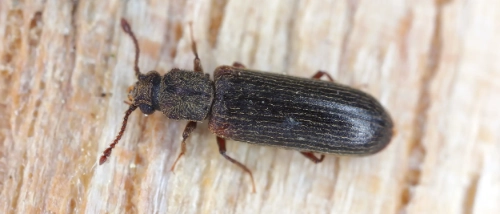
Round exit holes in timber, a gritty or powdery dust (frass) on surfaces below, weakened or crumbling wood, and adult beetles on windowsills in late spring or summer are the usual clues. Fresh frass is pale. Old holes look darker and worn, with nothing collecting beneath them.
Which beetle is it?
Common furniture beetle is the woodworm we see most often in furniture, floorboards and roofing softwoods. Exit holes are small and round. Deathwatch beetle is associated with large-section hardwoods that already have fungal decay, typically in older buildings. House longhorn beetle is a more serious structural pest of roofing softwood and is recorded more often in parts of southern England than in the rest of the country. Powderpost beetles attack wide-pored hardwoods with a high starch content and leave a very fine, flour-like frass.
Species matters because the risk to joists and the treatment are not the same. We identify on the survey instead of treating every hole as common furniture beetle.
Active or historic?
This is the decision that saves unnecessary work. Historic holes can stay in timber for decades after the beetles have gone, especially once the wood dried. Active infestation shows fresh frass, clean-cut holes, and sometimes live adults in the warmer months. If we cannot show current activity, we will say so and talk about moisture and monitoring rather than selling a spray.
Why it happens
Damp timber is the usual root. Leaks, poor under-floor ventilation, bridged damp-proof courses and unvented roof spaces keep wood in the moisture range beetles prefer. Bringing infested second-hand furniture indoors can introduce common furniture beetle to a dry house, but structural problems nearly always have a moisture story.
Risks
Active attack in joists, wall plates or roof timbers can weaken the section. Furniture can be ruined. Historic holes in sound, dry timber may be unsightly without being a structural emergency. We will not inflate old damage into a crisis.
Treatment options
Where activity is confirmed, surface insecticide can be applied to reachable timber. It will not reconstruct wood that has already lost strength. Structurally compromised members need repair or replacement by a builder; that is outside a spray visit. In every case the moisture source should be fixed first or at the same time. Treating wet timber and leaving the leak is a short-term gesture.
What Pestoid does
We inspect the affected timber, look for frass and moisture, and identify the beetle where we can. If the infestation is historic, we say that. If it is active, we agree which members to treat, what you need to clear, and whether a builder should see any section first. After treatment we explain drying, ventilation and what to watch for in the next flight season.
We do not offer a guarantee. Beetles inside deep timber, missed moisture and later leaks are real limits. We would rather describe those limits than invent a promise.
Preparation and aftercare
Clear stored items off the joists or furniture we need to reach. Lift loft insulation where we have asked you to. After treatment, keep people and pets off wet surfaces until we say they are dry. Do not sand or seal treated timber until the product has done the work we described. Keep the area ventilated and attend to leaks promptly.
Prevention
Keep sub-floor and roof voids ventilated. Repair leaks. Do not store wet cardboard or firewood against structural timber. Check second-hand furniture for fresh frass before it comes into a dry house. Moisture control is the prevention that lasts.
How long it takes
A survey can be a single visit. Treatment, if needed, is booked once the timber is accessible. Adult beetles emerge in a seasonal window, so judging success may take until the next flight period. Drying a wet floor or roof is a building job with its own timetable.
What affects the cost
The quote depends on whether we are only surveying, how much timber is active, how accessible the voids are, and whether moisture works sit with you or another trade. Historic holes with no activity should not be priced as a full treatment.
Contact us or call +44 7776 111596 for a survey.
Frequently asked questions
How can I tell if woodworm is still active?
Fresh, pale frass below holes, crisp-edged exit holes, and adult beetles on windowsills in late spring or summer suggest activity. Dark, worn holes with no frass are often historic. A survey is the reliable way to tell the two apart.
Does every piece of holed timber need treatment?
No. Many holes are from an infestation that finished years ago, especially once the timber dried out. Treating historic damage wastes money and chemicals. We treat only where we find current activity, or where timber is structurally compromised and needs repair.
Why does moisture matter more than insecticide?
Common furniture beetle and several other wood-boring beetles favour damp timber. If leaks, poor ventilation or rising damp continue, beetles can return. Insecticide on the surface will not last if the wood stays wet. Fixing the moisture source is the lasting control.
Do you guarantee woodworm will not come back?
We do not offer a guarantee. Outcome depends on the species, how far the beetle has gone into the timber, whether wet wood is dried, and whether damaged sections are repaired or replaced. We will be clear about what a treatment can and cannot do.
Areas we cover
Woodworm surveys and treatment are available across London, Liverpool, and UK-wide where we operate. Call +44 7776 111596.